
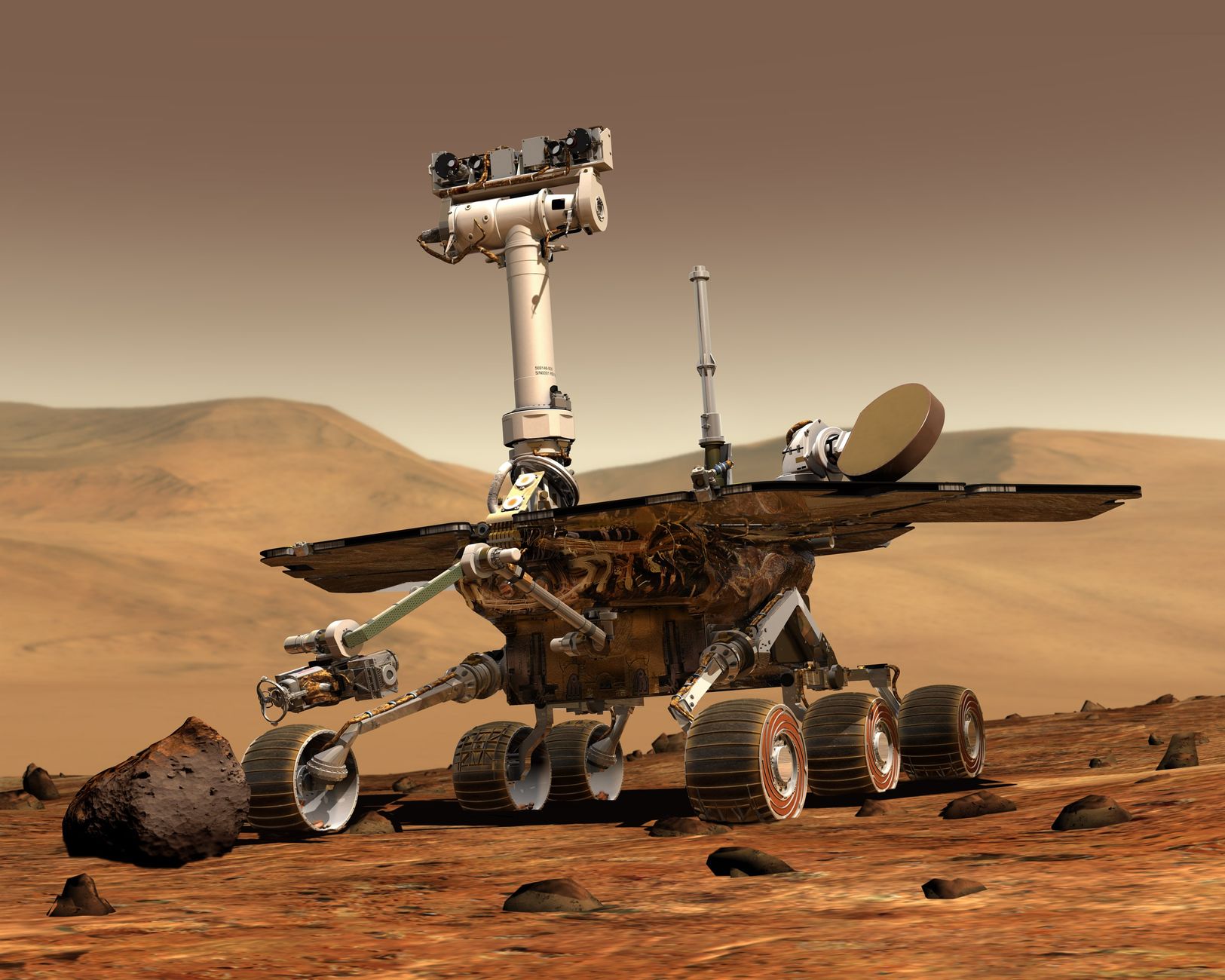
Curiosity rover Mars has marked a significant milestone by completing 5,000 days on the Red Planet. Initially designed for a 700-day mission, its journey continues to inspire.
The Journey of Curiosity Rover
The journey of the Curiosity rover Mars has been nothing short of extraordinary. Launched from Earth in November 2011, Curiosity landed on the Martian surface in August 2012 with the primary mission to explore the planet’s habitability. It was initially expected to operate for just 700 days, but the rover has far exceeded its life expectancy.
As of now, Curiosity has completed over 5,000 days on Mars, continuing to gather valuable data that enriches our understanding of the planet’s geology and climate. This achievement highlights the robust engineering and adaptability of the rover, which has navigated challenging terrains and harsh conditions.
Throughout its mission, Curiosity has accomplished numerous scientific milestones, including:
- Analyzing rock samples to understand the planet’s history.
- Measuring atmospheric conditions and variations.
- Investigating ancient water sources that could support life.
Curiosity’s ongoing exploration not only sheds light on Mars but also lays the groundwork for future missions, including potential human exploration.
Milestones Achieved by Curiosity
The Curiosity rover Mars has achieved remarkable milestones during its expedition, showcasing human ingenuity and the spirit of exploration. Since its landing on the Red Planet, Curiosity has been instrumental in gathering invaluable data about Mars’ geology and climate.
Among its numerous accomplishments, Curiosity has:
- Discovered ancient water sources: Curiosity has identified signs of past microbial life by analyzing sedimentary rock layers that indicate the presence of water.
- Measured radiation levels: The rover has provided crucial information about the radiation environment on Mars, which is essential for future human missions.
- Studied Martian soil: By conducting in-situ measurements, Curiosity has helped scientists understand the chemical composition of Martian soil, revealing its potential for supporting life.
- Explored diverse terrains: The rover has traversed various geological formations, from towering mountains to sprawling plains, each providing unique insights into Mars’ history.
With its mission extended far beyond the initial 700 days, the Curiosity rover Mars continues to push the boundaries of our knowledge and inspire future explorations.
What Makes Curiosity Special?
The Curiosity rover Mars has captivated scientists and enthusiasts alike with its remarkable capabilities and achievements. One of the defining features of Curiosity is its advanced scientific instruments, designed to analyze the Martian surface and atmosphere in unprecedented detail.
Additionally, Curiosity’s ability to traverse diverse terrains allows it to explore various geological features, providing valuable insights into Mars’ history. This adaptability has enabled the rover to conduct extensive studies, including:
- Analyzing soil samples to determine the presence of organic compounds.
- Measuring radiation levels to assess the habitability of Mars.
- Taking high-resolution images that reveal the planet’s stunning landscapes.
Moreover, Curiosity’s autonomous navigation system allows it to make decisions in real-time, optimizing its route and ensuring efficient data collection. This remarkable technology not only enhances its exploratory capabilities but also sets a precedent for future missions.
As the Curiosity rover Mars continues to operate well beyond its expected lifespan, it serves as a testament to human ingenuity and the quest for knowledge about our neighboring planet.
Future of Mars Exploration
The future of Mars exploration looks promising as missions build upon the invaluable data collected by the Curiosity rover. With its remarkable achievement of 5,000 days on the Martian surface, scientists are eager to leverage its findings to inform upcoming missions and technologies.
Several upcoming missions aim to further our understanding of Mars, including:
- Mars Sample Return Mission: This ambitious project seeks to collect samples from the Martian surface and return them to Earth for detailed analysis.
- Perseverance Rover: Launched in 2020, this rover is equipped with advanced tools to search for signs of ancient microbial life and collect samples for future return.
- Human Missions: NASA and private companies are actively planning manned missions to Mars, aiming to establish a human presence on the planet within the next two decades.
As we explore the potential for human habitation and further scientific discovery, the legacy of the Curiosity rover will undoubtedly play a crucial role in shaping the future of Martian exploration.
Challenges Faced on Mars
The Curiosity rover Mars mission has faced numerous challenges during its remarkable journey of 5,000 days. Since its landing, Curiosity has had to navigate a harsh and unpredictable environment that poses significant risks to its operations.
- Dust Storms: Massive dust storms can obscure sunlight, impacting Curiosity’s solar power generation and data transmission capabilities.
- Extreme Temperatures: With temperatures fluctuating dramatically, the rover’s systems must withstand conditions well below freezing and above boiling point.
- Technical Malfunctions: The rover has encountered various technical issues, including software glitches and mechanical failures, requiring innovative troubleshooting from mission control.
- Terrain Challenges: Curiosity often navigates rocky and uneven terrain, which can complicate movement and affect the rover’s ability to carry out scientific investigations.
Despite these adversities, the Curiosity rover Mars has continued to operate beyond its expected lifespan, demonstrating resilience and adaptability. Each challenge faced has contributed to a deeper understanding of Mars, paving the way for future exploration and research opportunities.
Curiosity’s Scientific Discoveries
The Curiosity rover Mars has made significant contributions to our understanding of the Red Planet over its remarkable 5,000-day mission. Not only has it exceeded its original lifespan of 700 days, but it has also uncovered a wealth of scientific data that has reshaped our approach to planetary exploration.
Some of the most notable discoveries include:
- Evidence of Water: Curiosity has found signs of ancient riverbeds and minerals that form in the presence of water, suggesting that Mars once had a much wetter climate.
- Organic Molecules: The rover has detected complex organic compounds in Martian soil, hinting at the planet’s potential to support life in the past.
- Meteorological Patterns: Curiosity has provided valuable information on Martian weather, helping scientists understand seasonal changes and dust storms.
- Rock Analysis: The rover’s detailed analysis of Martian rocks has revealed the planet’s geological history, offering insights into its evolution.
As Curiosity continues its exploration, it remains a crucial tool for unveiling the mysteries of Mars, paving the way for future missions and research.
Public Interest in Mars Missions
The Curiosity rover Mars mission has captured the imagination of people around the globe, sparking immense public interest in space exploration. As the rover celebrates over 5,000 days on the Martian surface, enthusiasm for Mars missions continues to grow, fueled by the promise of discovering new insights about our neighboring planet.
Many enthusiasts and scientists alike are drawn to the idea of uncovering the mysteries of Mars, with the Curiosity rover serving as a beacon of hope and knowledge. The rover’s remarkable journey has highlighted the importance of continued investment in space exploration and the potential for future discoveries.
Public engagement with Mars missions is evident in various forms:
- Social Media Campaigns: Organizations share updates and images, keeping the public informed and excited.
- Educational Programs: Schools and universities incorporate Mars exploration into curriculums, inspiring the next generation of scientists.
- Public Events: Lectures and exhibitions about the rover’s findings attract audiences eager to learn more.
As Curiosity continues its journey, it remains a symbol of human curiosity and the quest for knowledge beyond Earth.
The Curiosity rover Mars has provided invaluable insights into the planet’s geology and climate over its extensive mission. As it continues to explore, the Curiosity rover Mars remains a symbol of human ingenuity and the quest for knowledge beyond our home planet.
Photo by Pixabay on Pexels